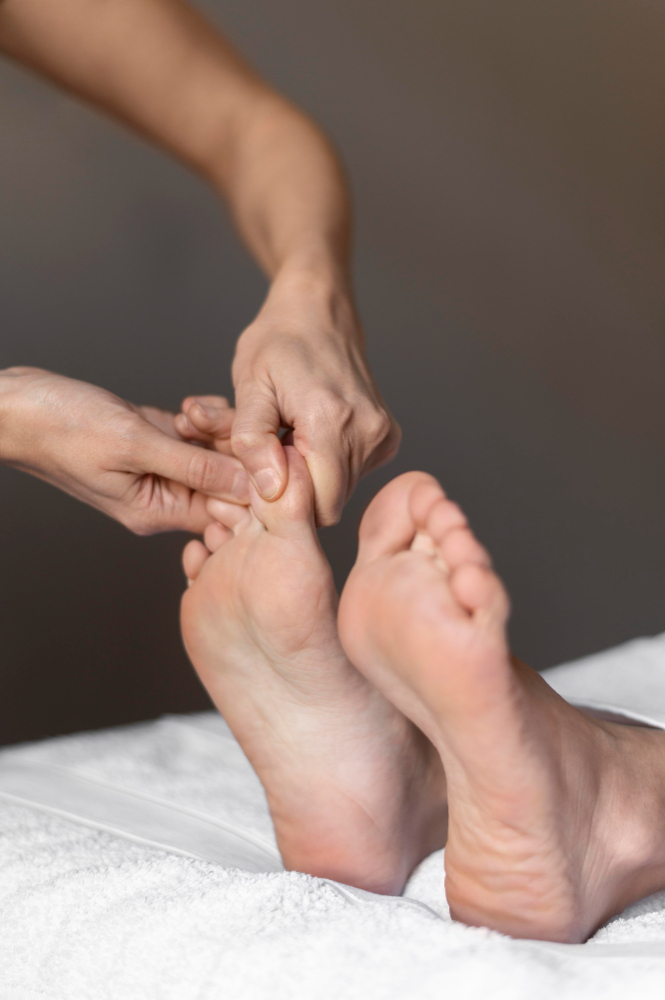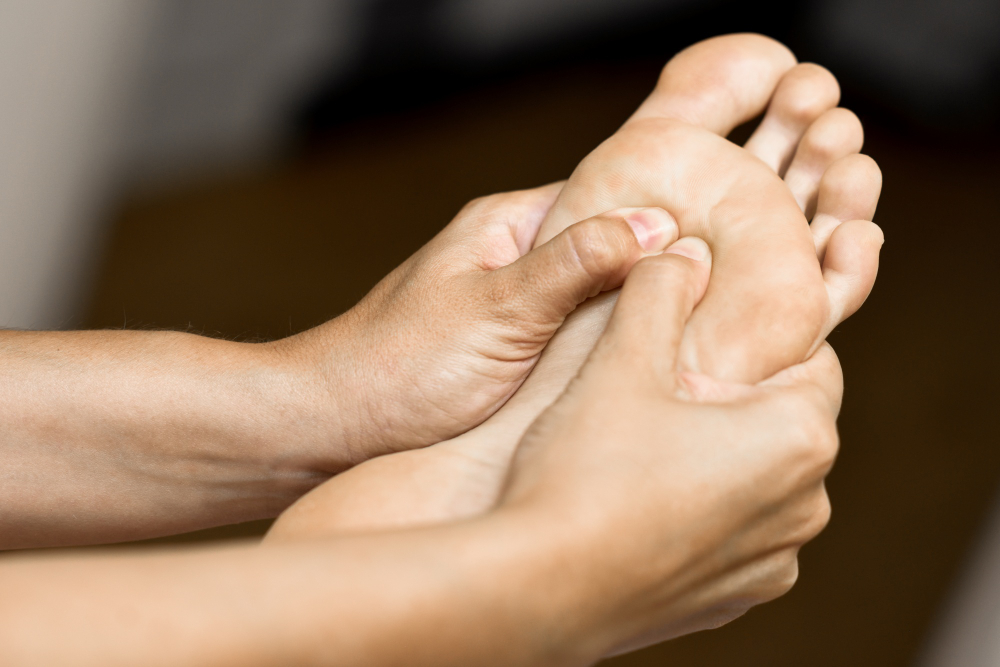
Plantar fasciitis is a common condition that causes pain around the heel and bottom of the foot. The discomfort may be particularly noticeable when taking the first steps after waking up, standing for a long time, walking extensively or after periods of rest.
At Evergreen Kottakkal Ayurveda, we provide personalised Ayurvedic care for individuals experiencing plantar fasciitis and related foot discomfort. Our approach combines traditional Ayurvedic therapies, herbal oils, therapeutic massage and lifestyle guidance based on each person’s individual needs.
If you are searching for Ayurvedic treatment in Sharjah for heel pain or plantar fasciitis, our Ayurvedic practitioners can assess your condition and recommend a suitable treatment programme.
Plantar fasciitis involves irritation and inflammation of the plantar fascia, a strong band of tissue that runs along the bottom of the foot and connects the heel bone to the toes.
Common symptoms can include:
Plantar fasciitis can affect people with different lifestyles and activity levels. Factors such as prolonged standing, increased physical activity, unsuitable footwear, body weight and foot mechanics may contribute to the condition.
Ayurveda takes a holistic approach to musculoskeletal and joint-related discomfort. Traditional Ayurvedic principles consider factors such as individual constitution, lifestyle, activity, diet and overall balance.
At Evergreen Kottakkal Ayurveda, treatment is personalised according to the individual’s symptoms and requirements.
An Ayurvedic programme for plantar fasciitis may include:
The specific therapies recommended will depend on the individual’s condition and Ayurvedic assessment.
Traditional Ayurvedic therapies are commonly used for musculoskeletal wellness and may help support comfort, mobility and relaxation.
Selected Ayurvedic oils may be used during therapeutic massage of the feet and lower legs. Massage can support relaxation and provide soothing care for areas experiencing muscular and soft-tissue discomfort.
Depending on the assessment, localised therapies may be recommended for the affected foot and surrounding areas. The choice of therapy depends on the individual’s symptoms and treatment requirements.
Kizhi is a traditional Ayurvedic therapy involving herbal preparations contained in boluses and applied to selected areas of the body.
Depending on the individual’s condition, a suitable form of Kizhi may be included in a personalised Ayurvedic treatment programme for musculoskeletal discomfort.
Abhyangam is a traditional Ayurvedic oil massage using selected herbal oils. It is commonly used as part of Ayurvedic body-care and musculoskeletal wellness programmes.
Your practitioner may also provide guidance regarding activity, rest, footwear, daily routine and other lifestyle factors that may support foot health.
Plantar fasciitis can develop for a variety of reasons.
People who spend many hours standing or walking during the day may place repeated stress on the plantar fascia.
Suddenly increasing running, walking or other physical activities can place additional strain on the tissues supporting the foot.
Shoes that do not provide adequate support or cushioning may contribute to foot discomfort.
Additional body weight can increase the mechanical load placed on the feet during standing and walking.
Tightness in the calf and Achilles tendon area can affect foot mechanics and may contribute to plantar fascia stress.
Certain foot structures and walking patterns can increase stress on the plantar fascia.
People with plantar fasciitis commonly report:
The symptoms and severity can vary between individuals.
At Evergreen Kottakkal Ayurveda, we focus on personalised treatment rather than using the same therapy for every patient.
Your treatment begins with a consultation with an Ayurvedic doctor in Sharjah. Your symptoms, daily activities, lifestyle, diet and general health may be discussed.
The practitioner evaluates your individual requirements and considers the nature and severity of your symptoms.
A suitable combination of traditional Ayurvedic therapies may be recommended based on your consultation.
Selected therapies such as herbal oil massage and other traditional treatments may be provided as part of your programme.
You may receive guidance regarding daily activity, rest, footwear and other habits that can support foot and musculoskeletal health.
A personalised Ayurvedic treatment programme may support:
Individual results can vary depending on the severity and underlying cause of the condition.
Arthritis and plantar fasciitis are different conditions, although both can involve pain or discomfort affecting mobility.
If you are searching online for “Ayurveda for arthritis in Sharjah,” it is important to understand that plantar fasciitis requires a different assessment and treatment approach from arthritis.
Evergreen Kottakkal Ayurveda provides personalised Ayurvedic care for a range of musculoskeletal concerns, including joint and foot-related discomfort. A consultation can help determine the most appropriate approach for your specific condition.
Choosing the right Ayurvedic clinic in Sharjah is important when seeking traditional Ayurvedic care for musculoskeletal concerns.
Every individual can have different symptoms, lifestyle factors and treatment requirements. Our therapies are selected according to individual needs.
We provide traditional Ayurvedic therapies and herbal treatments as part of personalised wellness and treatment programmes.
Our Ayurvedic doctor in Sharjah can assess your concerns and recommend an appropriate treatment approach.
Ayurveda considers more than the immediate symptom. Lifestyle, diet, activity, daily routine and overall wellbeing can all be considered during treatment planning.
If you are searching for Authentic Ayurveda in Sharjah, Evergreen Kottakkal Ayurveda provides traditional Ayurvedic consultation and therapies based on established Ayurvedic principles.
If you are looking for an Ayurveda centre in Sharjah for plantar fasciitis and foot discomfort, Evergreen Kottakkal Ayurveda offers personalised Ayurvedic consultation and traditional therapies.
Whether you experience heel pain after waking up, discomfort after prolonged standing or recurring foot pain, our practitioners can assess your individual requirements and recommend an appropriate treatment plan.
If you are searching for an Ayurvedic clinic near me in Sharjah, our centre provides convenient access to traditional Ayurvedic care for residents of Sharjah and surrounding areas.
Not every type of heel pain is caused by plantar fasciitis. Heel pain can also occur due to injuries, stress fractures, nerve problems, arthritis, tendon conditions and other medical causes.
Seek medical evaluation if:
A medical professional can determine the underlying cause of persistent or severe foot pain.
Ayurvedic therapies may provide supportive care for people experiencing plantar fasciitis and associated foot discomfort. Traditional therapies such as herbal oil massage and selected local treatments may be recommended according to individual needs.
Depending on the individual assessment, treatments may include herbal oil massage, Abhyangam, Kizhi and other localised Ayurvedic therapies. The appropriate treatment varies from person to person.
The duration depends on the severity of the condition, symptoms, lifestyle and individual response to treatment. Your Ayurvedic practitioner can recommend a suitable treatment schedule after consultation.
Lifestyle changes, appropriate physical activity, supportive footwear, stretching and other conservative approaches are commonly used for plantar fasciitis. Ayurvedic therapies may be considered as part of a personalised complementary approach.
Massage may help with relaxation and temporary relief of muscular and soft-tissue discomfort. However, the appropriate technique depends on the underlying condition. Persistent heel pain should be professionally assessed.
Ayurvedic therapies may provide supportive care for certain types of heel and foot discomfort. Because heel pain can have several causes, an appropriate assessment is important before beginning treatment.
Ayurvedic care may be considered for supportive management of certain musculoskeletal and joint-related concerns. Arthritis and plantar fasciitis are different conditions, so an appropriate assessment is necessary to determine the right treatment approach.
Yes. Ayurveda focuses on personalised care. A consultation allows the practitioner to understand your symptoms and individual requirements before recommending therapies.